
Cirrhosis: Understanding Liver Scarring, Failure Risk, and Transplantation
 Dec, 20 2025
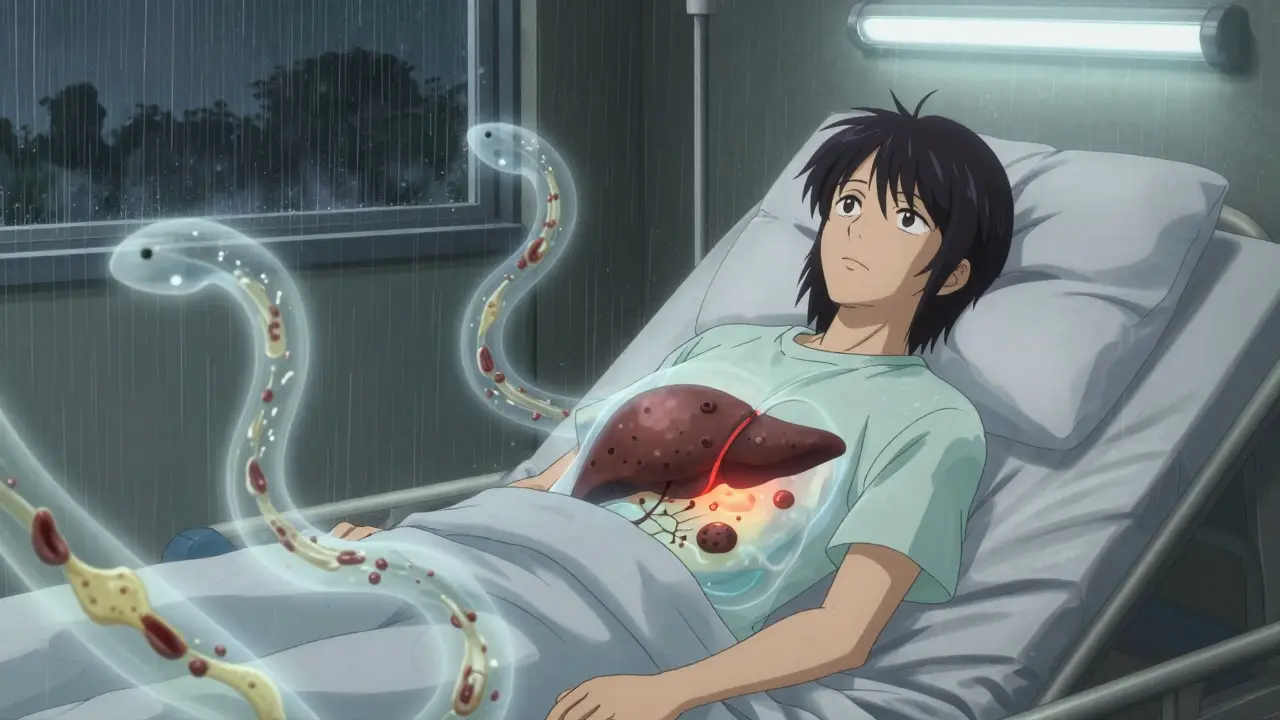
When your liver gets scarred, it doesn’t just heal-it changes forever. Cirrhosis isn’t a single disease. It’s the end result of years of damage, where healthy liver tissue turns into stiff, non-working scar tissue. Think of it like a sponge that’s been crushed and glued back together. It still looks like a sponge, but it can’t soak up water anymore. That’s what happens in cirrhosis: the liver loses its ability to filter toxins, make proteins, store energy, or produce bile. And once this scarring becomes widespread, it’s permanent.
How Cirrhosis Develops
The liver is one of the few organs that can regenerate. If you drink too much alcohol one weekend, it can bounce back. If you get hepatitis A, your liver usually recovers fully. But when damage keeps happening-year after year-that’s when things go wrong. Chronic inflammation from alcohol, fatty liver disease, or hepatitis B and C triggers constant repair. Each repair cycle lays down a little more scar tissue. Over time, the scars build up, forming thick bands that cut through the liver like roadblocks. Healthy cells get squeezed out. Blood flow slows. The liver’s structure collapses into nodules surrounded by fibrosis. This isn’t sudden. It takes years. Many people have no symptoms until the damage is advanced. That’s why cirrhosis is often called a silent disease. Routine blood tests showing elevated liver enzymes or low platelets might be the first clue. By then, the liver has already lost a lot of function.Compensated vs. Decompensated: The Two Faces of Cirrhosis
Not all cirrhosis is the same. There are two stages: compensated and decompensated. In compensated cirrhosis, the liver is badly scarred but still manages to do its job. People feel fine. They might have mild fatigue or occasional discomfort, but they can work, exercise, and live normally. About 80-90% of people in this stage survive at least five years. The problem? It’s deceptive. The liver is barely holding on. One more hit-like an infection, excessive alcohol, or uncontrolled diabetes-and it can crash. Decompensated cirrhosis is when the liver finally gives up. This is when serious complications appear: fluid builds up in the belly (ascites), the brain gets foggy from toxins (hepatic encephalopathy), veins in the esophagus swell and bleed (varices), or the skin and eyes turn yellow (jaundice). At this point, survival drops to 20-50% over five years. The liver isn’t just damaged-it’s failing. Doctors use tools like the MELD score (Model for End-Stage Liver Disease) to measure how bad things are. A score above 15 means you’re at high risk of dying without a transplant. The Child-Pugh system also helps, grading liver function from A (mild) to C (severe).What Causes Cirrhosis?
The biggest causes today are no longer just alcohol. In the U.S., non-alcoholic fatty liver disease (NAFLD) now causes about 24% of cirrhosis cases-more than alcohol. NAFLD is tied to obesity, type 2 diabetes, and high cholesterol. It starts with fat building up in the liver, then progresses to inflammation (NASH), then to fibrosis, and finally cirrhosis. Alcohol remains a major driver, especially in Europe and parts of the U.S. Heavy drinking over 10+ years almost always leads to liver damage. Hepatitis B and C used to be the top causes, but new antiviral drugs have cut hepatitis C-related cirrhosis by more than half since 2015. Still, many people were infected decades ago and only now show symptoms. Other causes include autoimmune hepatitis, primary biliary cholangitis, genetic conditions like hemochromatosis (iron overload), and long-term use of certain medications. Sometimes, the cause stays unknown-called cryptogenic cirrhosis.How Is It Diagnosed?
You won’t find cirrhosis with a simple checkup. Doctors need to piece together clues:- Blood tests: High bilirubin, low albumin, prolonged clotting time, low platelets.
- Imaging: Ultrasound, CT, or MRI can show a shrunken, lumpy liver. Elastography (FibroScan) measures stiffness-values over 12.5 kPa strongly suggest cirrhosis.
- Biopsy: The old gold standard. A needle takes a tiny piece of liver to look at under a microscope. But it’s invasive and risky. Now, non-invasive tests are often enough.
Can Cirrhosis Be Reversed?
This is the big question. The short answer: not after it becomes full-blown cirrhosis. If you catch fibrosis early-before scarring spreads-you can sometimes reverse it. Stop drinking. Lose weight. Treat hepatitis C. Your liver can heal itself. But once the scar tissue forms thick bands and nodules, it’s irreversible. No pill, supplement, or diet can undo it. That’s why early detection matters. If you have NAFLD or drink heavily, get screened. If your liver enzymes are high, don’t ignore it. The window to prevent cirrhosis is narrow.Managing Cirrhosis: What You Can Do
Even if cirrhosis is advanced, you can slow it down and avoid complications.- Stop alcohol completely. Even small amounts can trigger bleeding or infection.
- Lower sodium. Less than 2,000 mg a day helps control fluid buildup. No processed foods, canned soups, or salty snacks.
- Take prescribed meds. Diuretics for fluid, lactulose or rifaximin for brain fog, beta-blockers to prevent bleeding.
- Get vaccinated. Hepatitis A and B, flu, and pneumonia shots are critical-you’re more vulnerable to infections.
- Monitor symptoms daily. Weight gain? More swelling? Confusion? Call your doctor immediately.
Liver Transplantation: The Only Cure
For decompensated cirrhosis, a liver transplant is the only option that offers long-term survival. It’s not a cure-all-it’s a lifeline. The process starts with a referral to a transplant center. You’ll go through months of testing: heart checks, cancer screenings, mental health evaluations, and social support reviews. Your MELD-Na score determines your place on the waiting list. Higher score = higher priority. In 2022, the U.S. had 14,300 people waiting for a liver. Only 8,780 transplants were done. That means about 12% of people on the list die each year before getting one. New techniques are helping. Normothermic machine perfusion keeps donor livers alive outside the body longer, increasing the number of usable organs. In 2023, a Lancet study showed this boosted transplantable livers by 22%. After transplant, survival rates are good: 85% at one year, 75% at five years. But you’ll take anti-rejection drugs for life. Infections, kidney problems, and cancer risk go up. Still, most people go back to normal life-working, traveling, even having children.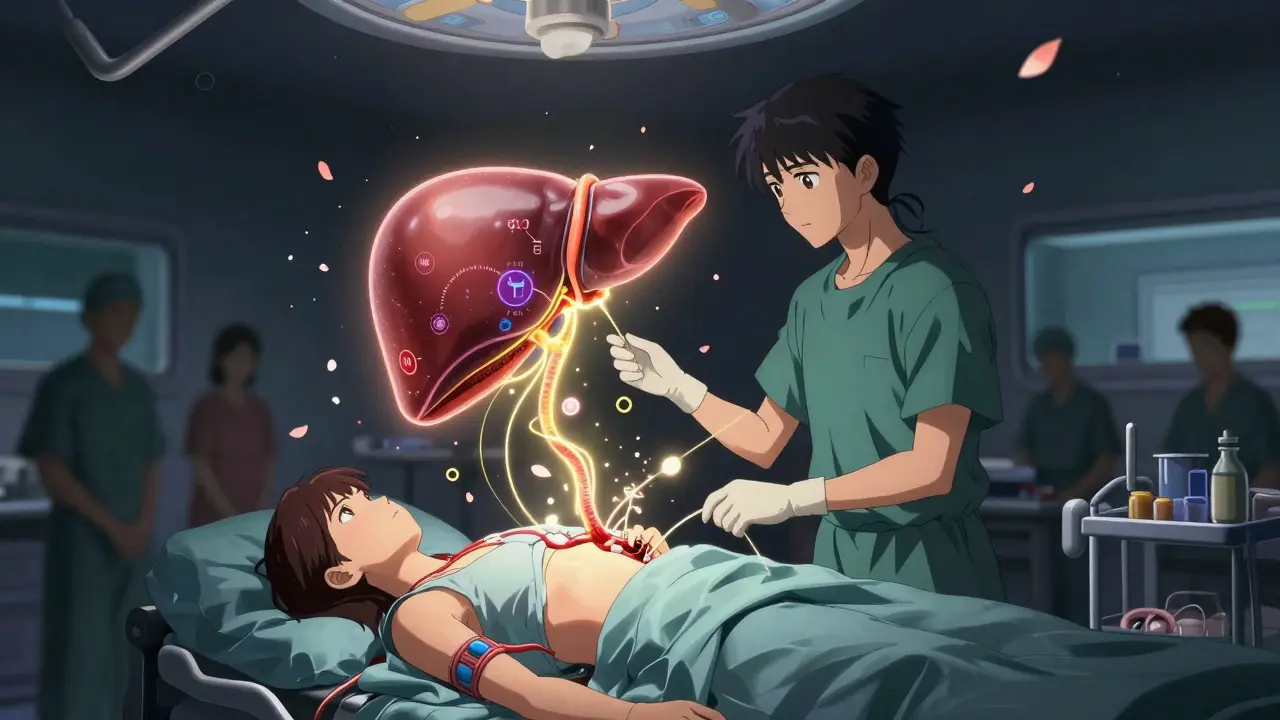
What’s Next for Cirrhosis Treatment?
The future is moving beyond just transplants. Researchers are testing drugs that block scar formation. One, called simtuzumab, reduced fibrosis progression by 30% in early trials for NASH-related cirrhosis. Another, obeticholic acid, is already approved for certain types of bile duct disease. Bioartificial livers-machines that filter blood using living liver cells-are in early human trials. In 2023, a study in Cell Reports Medicine showed patients who received hepatocyte transplants (injecting healthy liver cells) saw their MELD scores drop by 40% in six months. The goal? To delay or even replace transplants. But for now, transplant remains the only proven way to survive advanced cirrhosis.Real Stories, Real Struggles
Patients often say they weren’t warned. One person shared on Reddit: "I was told I had fatty liver. Five years later, I collapsed with bleeding varices. No one said it could turn into this." Another wrote on Healthgrades: "I had no symptoms. My doctor said my enzymes were high. I ignored it. By the time I got a diagnosis, I was in the hospital with ascites. I thought I was fine. I wasn’t." The emotional toll is heavy. Hepatic encephalopathy can make you forget your own name. Ascites makes walking hard. The fear of sudden death hangs over every day. But recovery stories exist too. A 58-year-old man from Ohio, after a transplant, started hiking again. A woman in Texas, who quit alcohol and lost 80 pounds, stabilized her cirrhosis and avoided transplant. They didn’t get lucky. They acted.Where to Get Help
You’re not alone. The American Liver Foundation offers free nurse navigation at 1-800-GO-LIVER. Many academic hospitals have multidisciplinary liver clinics-doctors, dietitians, social workers all working together. If you’re in a rural area, access is harder. Only 35% of U.S. rural counties have a hepatologist. Telehealth is helping, but not everywhere. Talk to your doctor. Ask: "Is my cirrhosis compensated or decompensated?" "What’s my MELD score?" "What happens if I don’t change anything?" If they can’t answer, ask for a referral. Cirrhosis is not a death sentence. But it’s a warning. The clock is ticking. The choices you make today-about alcohol, food, medication, and follow-up-determine whether you live with cirrhosis… or die from it.Can cirrhosis be reversed if caught early?
Early fibrosis-before full cirrhosis develops-can sometimes be reversed by removing the cause, like stopping alcohol, losing weight, or curing hepatitis C. But once scar tissue forms thick bands and nodules, the damage is permanent. No medication or diet can undo advanced cirrhosis.
What are the signs that cirrhosis is getting worse?
Watch for sudden weight gain (fluid buildup), swelling in the legs or belly, confusion or memory issues (hepatic encephalopathy), vomiting blood or passing black stools (bleeding varices), yellowing of skin or eyes (jaundice), or extreme fatigue. These mean the liver is failing and you need emergency care.
Is a liver transplant the only option for advanced cirrhosis?
Yes, for decompensated cirrhosis, a liver transplant is the only treatment that offers long-term survival. Other treatments manage symptoms but can’t restore liver function. Without a transplant, most people with advanced cirrhosis die within a few years.
How long is the wait for a liver transplant?
It varies by region and how sick you are. In the U.S., the average wait is 3 to 5 years, but people with high MELD-Na scores (above 20) may get a liver in weeks or months. About 12% of people on the waiting list die each year before receiving a transplant.
Can you live a normal life after a liver transplant?
Yes, most people return to normal activities within 6 to 12 months. You’ll need to take anti-rejection drugs for life and see your doctor regularly. But many transplant recipients work, travel, exercise, and even have children. Survival rates are 85% at one year and 75% at five years.
What’s the biggest cause of cirrhosis today?
In the U.S., non-alcoholic fatty liver disease (NAFLD) is now the leading cause, responsible for about 24% of cases-more than alcohol. NAFLD is linked to obesity, diabetes, and high cholesterol. Alcohol remains a major cause, especially in Europe and among older adults.
Can you prevent cirrhosis if you have fatty liver?
Yes. Losing 7-10% of your body weight, cutting out sugar and processed carbs, exercising regularly, and controlling blood sugar and cholesterol can reverse early fatty liver and prevent it from turning into cirrhosis. The key is acting before scarring begins.
Stacey Smith
December 22, 2025 AT 08:47Ben Warren
December 22, 2025 AT 14:25Teya Derksen Friesen
December 22, 2025 AT 19:57Sandy Crux
December 24, 2025 AT 00:07Hannah Taylor
December 24, 2025 AT 20:44Sarah Williams
December 24, 2025 AT 22:20Cara C
December 26, 2025 AT 02:44Grace Rehman
December 26, 2025 AT 18:16Adrian Thompson
December 27, 2025 AT 05:42Southern NH Pagan Pride
December 27, 2025 AT 06:10Orlando Marquez Jr
December 27, 2025 AT 23:23Jackie Be
December 28, 2025 AT 05:02John Hay
December 28, 2025 AT 12:49Jon Paramore
December 29, 2025 AT 02:56Swapneel Mehta
December 30, 2025 AT 09:55