
Contamination Issues in Generic Drugs: Recent Cases and How to Prevent Them
 Dec, 6 2025
Generic drugs are supposed to be safe, affordable copies of brand-name medications. They make up over 90% of prescriptions filled in the U.S. and have saved the healthcare system more than $1.7 trillion in the last decade. But behind the low price tag, a hidden risk has been growing: contamination. In recent years, contaminated generics have led to cancer diagnoses, chemotherapy failures, and even fatal overdoses. This isn’t a rare glitch-it’s a systemic problem tied to how these drugs are made, inspected, and tracked across the globe.
What’s Going Wrong in Generic Drug Manufacturing?
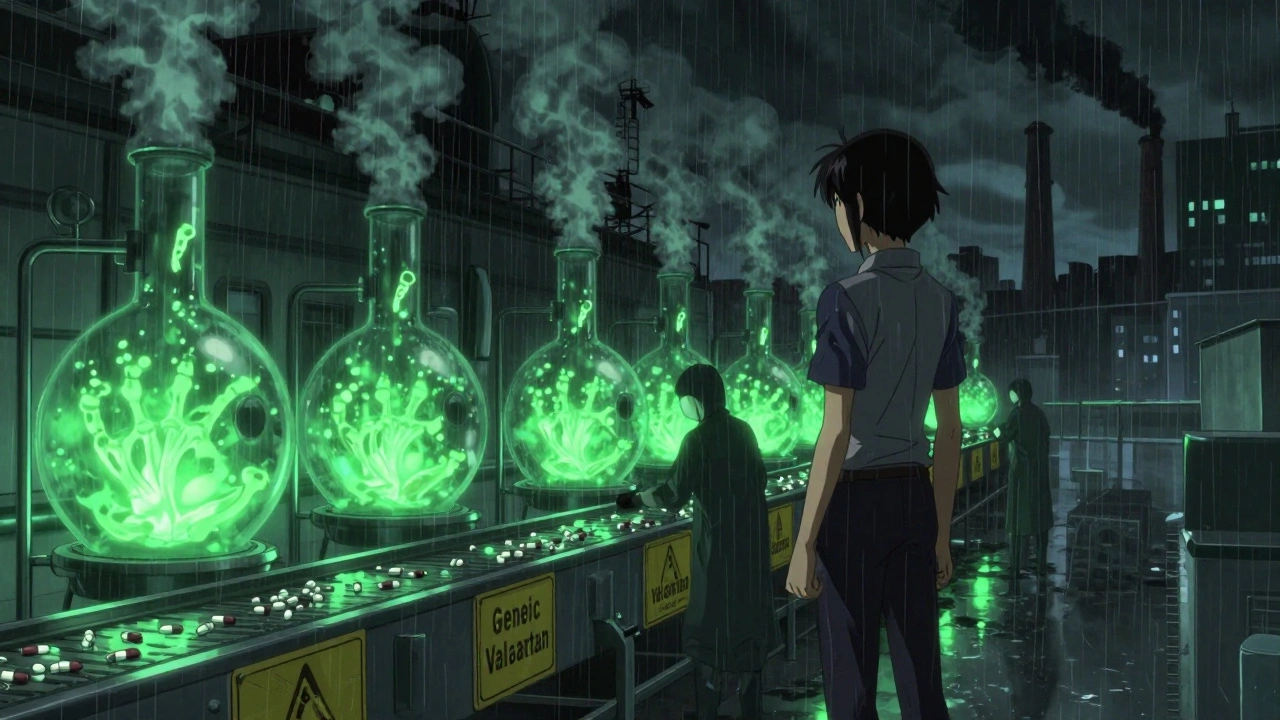
The core issue isn’t that generic manufacturers are trying to harm people. It’s that cost-cutting pressures have created dangerous shortcuts. The process to get a generic drug approved is faster and cheaper than for a brand-name drug. Companies don’t need to run new clinical trials. Instead, they prove their version is bioequivalent-meaning it releases the same amount of active ingredient into the body at the same rate. But bioequivalence doesn’t guarantee purity. Contaminants can slip in during chemical synthesis, cleaning processes, or even packaging. Take Valsartan, a common blood pressure drug. In 2018, the FDA found traces of NDMA-a known human carcinogen-in some batches. The contaminant wasn’t an accident. It came from a change in the manufacturing process at Zhejiang Huahai Pharmaceutical in China, where sodium nitrite was added to speed up a reaction. No one tested whether this created cancer-causing byproducts. When the contamination was finally detected, over 80 million pills had been distributed. By September 2025, more than 1,300 federal lawsuits had been filed by patients who developed cancer after taking the contaminated drug. One study found colorectal cancer rates were nearly seven times higher in exposed patients compared to the general population. Similar patterns emerged with other drugs. In 2025, independent testing found benzene-a known cause of leukemia-in some over-the-counter Mucinex products. The FDA’s limit is 2 parts per million (ppm). Some samples showed 4.7 ppm. Patients like Miriam Birdsong and Cheryl Mikel, named in a 2025 lawsuit, developed bone marrow damage after using the product for just 18 months. These aren’t outliers. They’re symptoms of a broken system.Chemotherapy Drugs That Don’t Work
The most terrifying cases involve cancer treatments. In June 2025, STAT News reported that 17 chemotherapy drugs from Indian manufacturers failed basic quality tests. Twelve of them contained less than 80% of the labeled active ingredient. The FDA’s acceptable range is 85% to 115%. That means patients were getting doses too weak to kill cancer cells. One facility, Intas Pharmaceuticals in Ahmedabad, was found shredding quality control documents and pouring acid on records to hide failures. During the spring and summer of 2023, 92% of major U.S. cancer centers reported shortages of critical drugs like cisplatin and carboplatin. Patients who received these substandard versions had a 34% treatment failure rate-nearly triple the rate of those who got verified brand-name versions. At Memorial Sloan Kettering, seven out of eleven patients on contaminated cisplatin saw their tumors continue growing despite treatment. The impact isn’t just medical. It’s emotional. Patients who survived cancer once are now facing recurrence because the drug meant to save them didn’t work. Pharmacists have started keeping logs of which batches they dispense. One pharmacist on Reddit noted: “I’ve seen three different batches of generic levothyroxine fail potency testing in six months. Patients’ TSH levels went wild until we switched to brand.”Fentanyl Patches That Leak
Not all contamination involves chemicals. Sometimes, it’s physical. Fentanyl patches, used for chronic pain, are designed to release medication slowly through the skin. But in 2023, Sandoz recalled 1.2 million Duragesic patches after testing showed 0.8% of them leaked more than 15% of their intended dose. That might sound small, but fentanyl is 50 to 100 times stronger than morphine. A single leaking patch can deliver a lethal dose to a child or someone who doesn’t have opioid tolerance. Between 2002 and September 2025, over 52 million fentanyl patches were recalled due to seal failures. The FDA hasn’t required mandatory leak testing for all patches. Many manufacturers rely on visual inspection alone. That’s not enough. A patch can look perfect and still fail under normal handling or temperature changes.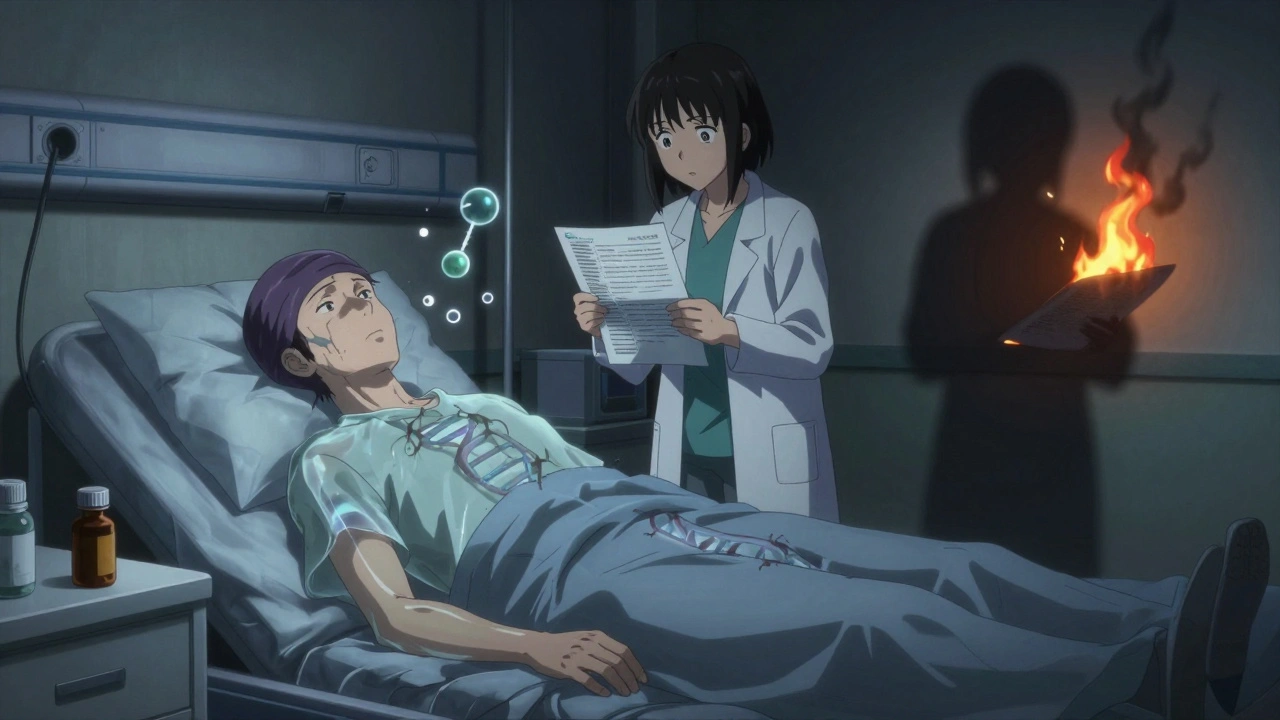
Who’s Making These Drugs-and Why Are We Still Using Them?
The U.S. imports nearly all of its generic drugs. China produces 80% of the active pharmaceutical ingredients (APIs). India manufactures 40% of the finished pills and injections sold here. Yet, the FDA inspects only 13% of Indian facilities each year. There are over 28,000 foreign drug plants worldwide that need inspection. The FDA’s 2025 budget for foreign inspections? $78 million-for 1,200 visits. This isn’t a lack of will. It’s a lack of resources. And it’s made worse by secrecy. Since at least 2008, the FDA has redacted the names of drugs linked to violations in inspection reports. That means doctors and pharmacists can’t tell if the drug they’re prescribing came from a facility with a history of contamination. ProPublica called it a “dangerous opacity.” In September 2025, the FDA announced a “Name Transparency Initiative” to stop hiding drug names-but no timeline was given. Senator Rick Scott pointed out that 83% of the top 100 generic drugs in the U.S. contain no American-sourced APIs. That means the entire supply chain-from raw chemicals to finished pills-runs through countries with weaker enforcement. When a problem arises, it’s often too late. By the time the FDA acts, millions of doses have already been sold.What’s Being Done to Fix This?
There are efforts underway, but they’re slow and underfunded. The FDA’s 2023 update to its Pharmaceutical Quality for the 21st Century initiative encourages manufacturers to use real-time monitoring during production-called Process Analytical Technology (PAT). But only 37% of foreign plants use it. In the U.S., 12% of facilities have adopted continuous manufacturing, which reduces contamination risks by up to 78%. In India? Only 3%. The Drug Supply Chain Security Act (DSCSA) requires full electronic tracking of every drug package by 2027. Right now, only 62% of pharmacies can verify if a drug is legitimate. That means counterfeit or contaminated pills can slip through. New rules under GDUFA III, introduced in June 2025, now require real-time stability testing for high-risk drugs like cancer treatments and blood pressure meds. That’s a step forward. But it only applies to new applications. Existing contaminated products already on shelves? Still in circulation.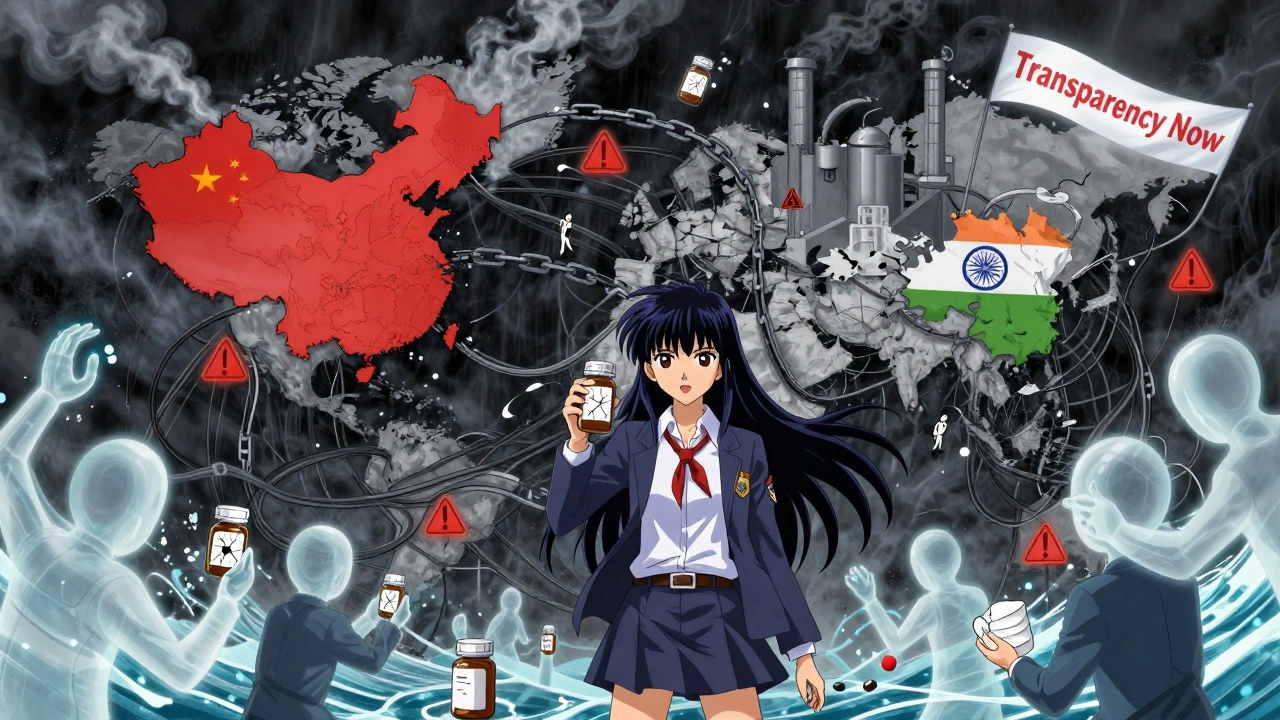
How to Protect Yourself
You can’t control what’s in the pill bottle. But you can take steps to reduce your risk:- Check recall lists-The FDA posts all drug recalls online. Pharmacists say 68% check these weekly. You should too.
- Ask your pharmacist-If your generic drug suddenly causes new side effects, ask if the manufacturer or batch changed.
- Know your source-Some pharmacies source generics from U.S.-based distributors with stricter standards. Ask if they carry products from manufacturers with recent FDA clearance.
- Don’t assume “generic” means “safe”-The price difference is real, but so is the risk. If you’re on a life-critical drug like chemotherapy, insulin, or blood thinners, ask your doctor if the brand version is worth the cost.
- Report adverse events-Use the FDA’s MedWatch program. One report might not change anything. But 100 reports? That triggers an investigation.
The Bigger Picture
The problem with contaminated generics isn’t just about bad actors. It’s about a system built on speed and cost-not safety. The FDA is overwhelmed. Foreign regulators lack power. Manufacturers are incentivized to cut corners. And patients are left guessing whether their medicine will work-or hurt them. The Valsartan lawsuits, the Mucinex cases, the chemotherapy failures-they’re not anomalies. They’re warnings. Without major changes in funding, oversight, and transparency, more people will get sick. More will die. And the next recall might not be for a blood pressure pill. It might be for your insulin. Your antibiotic. Your child’s asthma inhaler. The solution isn’t to stop using generics. It’s to demand better. Stronger inspections. Full transparency. Real consequences for violators. And accountability-not just from manufacturers, but from the agencies meant to protect us.Are generic drugs safe to take?
Most generic drugs are safe and effective. Millions of people use them every day without issue. But recent contamination cases show that safety isn’t guaranteed. The risk is higher with drugs made in countries with weak oversight, especially if they’re high-risk medications like chemotherapy, blood pressure drugs, or opioids. Always check for recalls and talk to your pharmacist if you notice unexpected side effects.
How do I know if my generic drug is contaminated?
You can’t tell by looking at the pill or packaging. Contaminants like NDMA or benzene are invisible and odorless. The only way to know is through lab testing or a recall notice. Check the FDA’s drug recall page regularly. If your medication is recalled, stop taking it immediately and contact your doctor. If you’ve been on a drug for months and suddenly develop unexplained symptoms-like fatigue, nausea, or abnormal blood tests-ask your doctor if contamination could be a factor.
Why are so many generics made in India and China?
It’s about cost. Labor, raw materials, and regulatory compliance are significantly cheaper in these countries. India produces 40% of the finished generic drugs sold in the U.S., and China makes 80% of the active ingredients. U.S. manufacturers can’t compete on price. But this reliance creates a massive oversight gap. The FDA can’t inspect every facility, and foreign regulators often lack the resources or political will to enforce standards.
Can I ask for the brand-name version instead?
Yes, you can. Your doctor can write “dispense as written” or “no substitutions” on the prescription. Insurance may require you to pay more, but for high-risk drugs-like those used for cancer, epilepsy, or heart conditions-the extra cost may be worth it. Many patients report better stability and fewer side effects with brand-name versions, especially after a contamination scare.
What should I do if I think my generic drug made me sick?
First, contact your doctor to confirm if your symptoms could be linked to the medication. Then, report it to the FDA through MedWatch. Keep your pill bottles and packaging-they may be needed for testing or legal action. If you’ve been diagnosed with cancer, leukemia, or another serious condition after taking a recalled drug, consult a lawyer. Many contamination cases have led to successful lawsuits, especially when internal documents prove the manufacturer knew about the risk.
Helen Maples
December 7, 2025 AT 13:28The FDA’s inspection rate of 13% for Indian facilities isn’t negligence-it’s a death sentence waiting to be documented. We outsource the most critical part of our healthcare to countries with no accountability, then act shocked when people die. This isn’t a supply chain issue. It’s a moral failure disguised as fiscal responsibility. We pay pennies for life-saving drugs and expect miracles. We got what we paid for.
Ashley Farmer
December 8, 2025 AT 11:19I’ve been a pharmacist for 22 years, and I’ve watched this creep in slowly. A few years ago, I started keeping a log of which generic batches caused weird TSH spikes or nausea in patients. Now I have a whole spreadsheet. It’s not paranoia-it’s pattern recognition. I don’t blame the patients for trusting the system. I blame the system for betraying them. If your drug suddenly stops working or starts making you sick, ask for the lot number. You deserve to know.
Sadie Nastor
December 9, 2025 AT 06:30so like… i just found out my blood pressure med was recalled last month and i didn’t even know 😭 i feel so dumb but also so angry? like why is this so hard to track?? i’m just trying to not die here
Nicholas Heer
December 10, 2025 AT 22:25CHINA AND INDIA ARE KILLING US WITH FAKE MEDS AND THE GOVT IS SITTING ON ITS HANDS. THIS IS A BIOLOGICAL 9/11. THEY’RE DOING IT ON PURPOSE TO DESTROY AMERICAN HEALTHCARE AND MAKE US DEPENDENT ON FOREIGN SUPPLIES. THE FDA IS CORRUPT. THE PHARMA COMPANIES ARE IN BED WITH THE CCP. WE NEED MILITARY INTERVENTION IN AHMEDABAD. NO MORE GENERIC DRUGS. BRING BACK AMERICAN MANUFACTURING OR WE’RE ALL DEAD.
Sangram Lavte
December 12, 2025 AT 08:15I work in a pharma plant in India. We follow all FDA guidelines. But the pressure to cut costs? It’s insane. Managers tell us to skip tests if the batch looks fine. No one wants to be the one who says ‘no’-we lose jobs. I’ve seen good people cry over this. It’s not evil. It’s broken. And the system rewards silence.
Stacy here
December 13, 2025 AT 06:42They told us generics were the future. Turns out, it’s the future we’re being force-fed while the elite sip their $800 brand-name insulin. This isn’t about safety-it’s about class warfare. The rich get the real stuff. The rest of us get contaminated pills with a side of ‘trust the process.’ When your child’s asthma inhaler fails because of a leaky patch, you’ll understand: capitalism doesn’t care if you live. It only cares if you buy.
Wesley Phillips
December 13, 2025 AT 16:27Let’s be real-90% of people can’t tell the difference between brand and generic. If you’re not getting a lethal dose of fentanyl from a patch, you’re fine. The media sensationalizes this. People think a 0.8% leak rate is catastrophic. It’s statistically negligible. You’re more likely to die from a poorly made bicycle helmet than a leaking patch. Chill out. Your anxiety is the real health crisis.
Ted Rosenwasser
December 13, 2025 AT 20:21It’s not about contamination-it’s about control. The FDA doesn’t inspect because they don’t want to find anything. If they did, they’d have to shut down 80% of the supply chain. That would crash the market. That’s why they redact names. That’s why they delay transparency. This isn’t incompetence. It’s systemic obstruction. They’re protecting the illusion of safety so the economy doesn’t collapse. We’re lab rats in a rigged experiment.
Nancy Carlsen
December 15, 2025 AT 13:08My mom’s on chemo. She switched back to brand-name carboplatin after her last batch failed. She’s been in remission for 11 months now. I know it costs 10x more. But I’d rather pay for her life than save money and bury her. If you’re on something life-critical-don’t gamble. Ask for the brand. Fight your insurance. Call your senator. You’re not being dramatic-you’re being smart.
David Brooks
December 16, 2025 AT 05:25I used to think generics were the answer. Now I see they’re the trap. A $3 pill that might kill you isn’t a bargain-it’s a Trojan horse. And we’re all standing there, applauding the delivery. We need to stop normalizing this. Every time we accept a cheap drug without asking questions, we vote for death. We need to make safety sexy. Make it viral. Make it non-negotiable.
Oliver Damon
December 17, 2025 AT 06:14The fundamental flaw is treating pharmaceuticals like consumer electronics-disposable, interchangeable, optimized for cost. But biology isn’t modular. A 5% variance in active ingredient isn’t a bug-it’s a death sentence for someone with epilepsy or heart failure. We’ve outsourced our biological trust to a global supply chain that prioritizes throughput over fidelity. The solution isn’t more inspections. It’s a paradigm shift: medicine as a human right, not a commodity. Until then, we’re just rearranging deck chairs on the Titanic.