
Pharmacokinetic Drug Interactions Explained for Patients: What You Need to Know
 Dec, 4 2025
Every year, over a million people in the U.S. end up in the emergency room because of bad reactions to their medications. Many of these cases aren’t caused by taking too much or the wrong drug-they’re caused by drug interactions. And the most common kind? Pharmacokinetic interactions. This isn’t some obscure medical term-it’s about how your body handles one drug when another is in the mix. And if you’re taking more than one medication, this matters to you.
What Exactly Are Pharmacokinetic Drug Interactions?
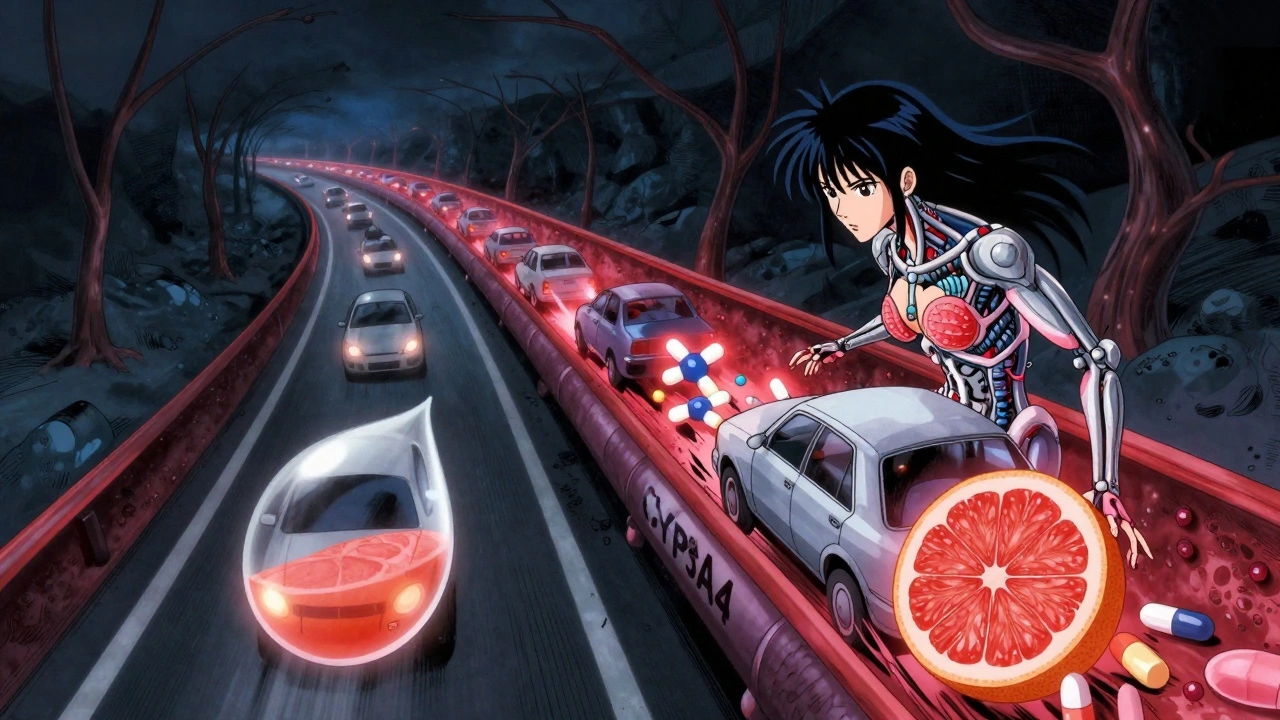
Pharmacokinetic interactions happen when one drug changes how your body absorbs, distributes, metabolizes, or gets rid of another drug. Think of it like traffic on a highway. If one car slows down or blocks the road, everything behind it gets delayed. That’s what happens with your medications. One drug can slow down, speed up, or block the path of another, changing how much of it reaches your bloodstream and where it goes in your body.
This is different from pharmacodynamic interactions, where two drugs act on the same part of your body and amplify each other’s effects-like taking two sleep aids together. Pharmacokinetic interactions are about movement, not effect. And they’re more common than you think.
How Your Body Moves Drugs: The ADME System
To understand these interactions, you need to know the four steps your body uses to handle drugs: Absorption, Distribution, Metabolism, and Excretion-often called ADME.
- Absorption: How the drug enters your bloodstream, usually through your stomach or intestines.
- Distribution: How the drug travels through your blood and binds to proteins or tissues.
- Metabolism: How your liver breaks the drug down so it can be removed.
- Excretion: How your kidneys or liver flush the drug out of your body.
Any one of these steps can be disrupted by another drug, food, or even a supplement. Let’s look at each one.
Absorption: When Drugs Block Each Other’s Entry
Some drugs need your stomach to be acidic to be absorbed properly. If you take an antacid, proton pump inhibitor, or even calcium supplements with them, they might not work as well. For example, the antifungal ketoconazole won’t be absorbed if your stomach acid is neutralized. Same with certain antibiotics like tetracycline or doxycycline-they bind to calcium in milk, yogurt, or calcium supplements and can’t get into your system. That’s why you’re told to take them on an empty stomach or wait two to three hours after eating dairy.
Even something as simple as opioids like morphine can slow down your gut, which delays how fast painkillers like acetaminophen get absorbed. It’s not always about stopping absorption-it’s about timing it right.
Distribution: The Protein Competition Game
Once a drug is in your blood, it sticks to proteins like albumin to travel around. But there’s only so much room. If two drugs both want to bind to the same protein, one can push the other off. That sounds scary, right? But here’s the catch: most of the time, your body adjusts. If more of a drug is floating free in your blood, your liver and kidneys start breaking it down faster.
This only becomes a real problem with drugs that have a very narrow safety window-where even a small increase in free drug can cause harm. Warfarin (a blood thinner) is one of those. If you take it with diclofenac (an NSAID for pain), the diclofenac can push warfarin off proteins, suddenly increasing your risk of bleeding. That’s why doctors monitor your INR closely when you start or stop other meds while on warfarin.
Metabolism: The Liver’s Big Role (And Why Grapefruit Juice Matters)
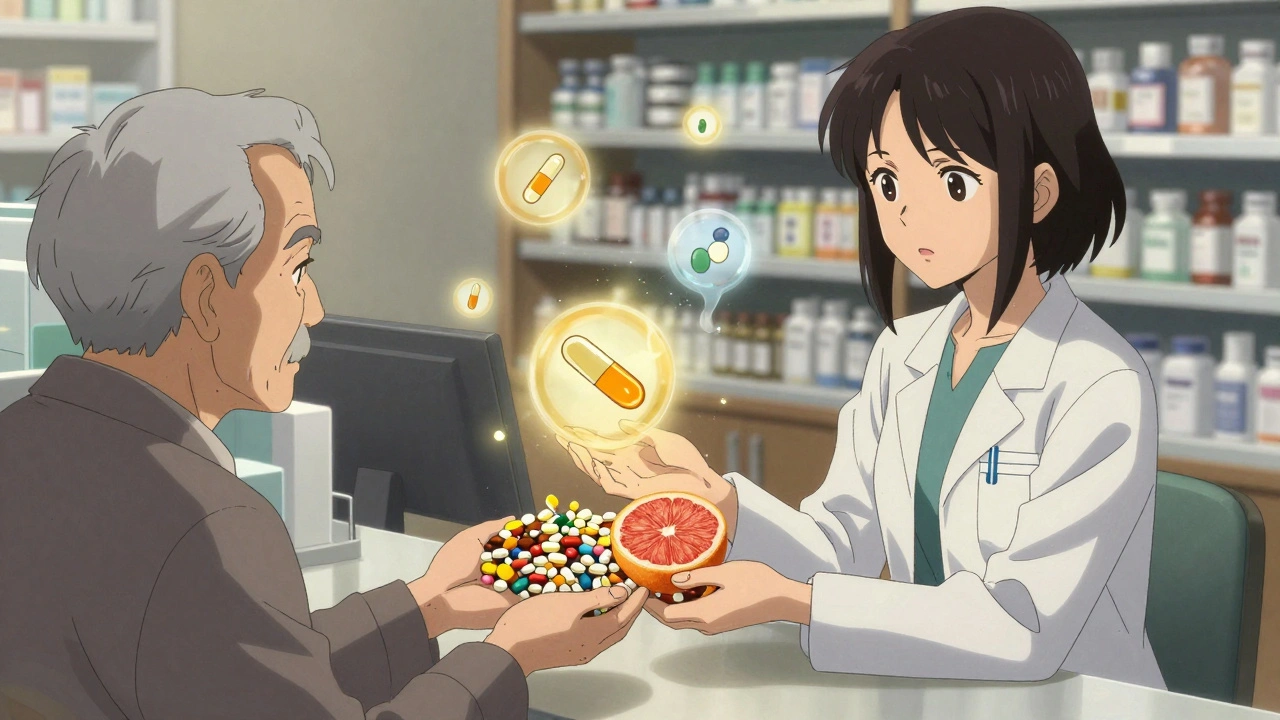
This is where things get serious. About 85% of prescription drugs are broken down by a group of liver enzymes called cytochrome P450 (CYP). The most important ones are CYP3A4 and CYP2D6. When one drug blocks (inhibits) or speeds up (induces) these enzymes, it changes how fast other drugs are processed.
Inhibitors slow things down. That means the other drug builds up in your system. Grapefruit juice is a classic example. Just one glass can block CYP3A4 for up to 24 hours. That’s why you can’t drink it with statins like simvastatin, blood pressure meds like amlodipine, or even some anti-anxiety drugs like midazolam. The result? Too much drug in your blood, leading to dizziness, muscle damage, or even breathing trouble.
Other common inhibitors include cimetidine (an old heartburn drug), fluoxetine (Prozac), and clarithromycin (an antibiotic). If you’re on any of these, your doctor should check what else you’re taking.
Inducers do the opposite-they make your liver break drugs down faster. That means the drug doesn’t stay in your system long enough to work. St. John’s Wort (a popular herbal supplement for mood) is a big one. It can make birth control pills, blood thinners, and even HIV meds stop working. Phenobarbital, used for seizures, can do the same thing with lamotrigine, leading to dangerous drops in drug levels or even toxic byproducts.
Here’s the kicker: about 60% of all new drugs approved by the FDA interact with these enzymes. That’s not rare-it’s the norm.
Excretion: When Your Kidneys Get Overloaded
Your kidneys filter drugs out of your blood. But if two drugs use the same cleanup route, they can get in each other’s way. Probenecid, used for gout, blocks the kidney’s ability to get rid of antibiotics like penicillin or cephalosporins. That’s actually intentional-it’s used to make antibiotics last longer. But if you’re not supposed to have higher levels, it can cause toxicity.
NSAIDs like ibuprofen or naproxen can reduce how well your kidneys clear methotrexate (used for arthritis and some cancers). That can lead to bone marrow damage or kidney failure.
Another key player is P-glycoprotein, a transporter that pushes drugs out of your kidney and gut cells. If you take itraconazole (an antifungal) with digoxin (a heart drug), itraconazole blocks this transporter. Digoxin builds up, and you risk dangerous heart rhythms. Digoxin is especially dangerous because it has a tiny safety margin-too little doesn’t help, too much can kill you.
Real-Life Consequences: When Interactions Turn Dangerous
These aren’t theoretical risks. In 2022, the Institute for Safe Medication Practices found that warfarin, insulin, and digoxin were involved in one-third of all emergency visits caused by drug interactions.
One case involved an 85-year-old woman taking venlafaxine (an antidepressant) and propafenone (a heart rhythm drug). Both are broken down by CYP2D6 and blocked by P-glycoprotein. Together, they caused venlafaxine levels to spike. She ended up with hallucinations and agitation. Another patient on phenobarbital and lamotrigine developed low white blood cell counts because the enzyme induction created toxic byproducts.
These aren’t isolated stories. They happen every day.
How to Protect Yourself
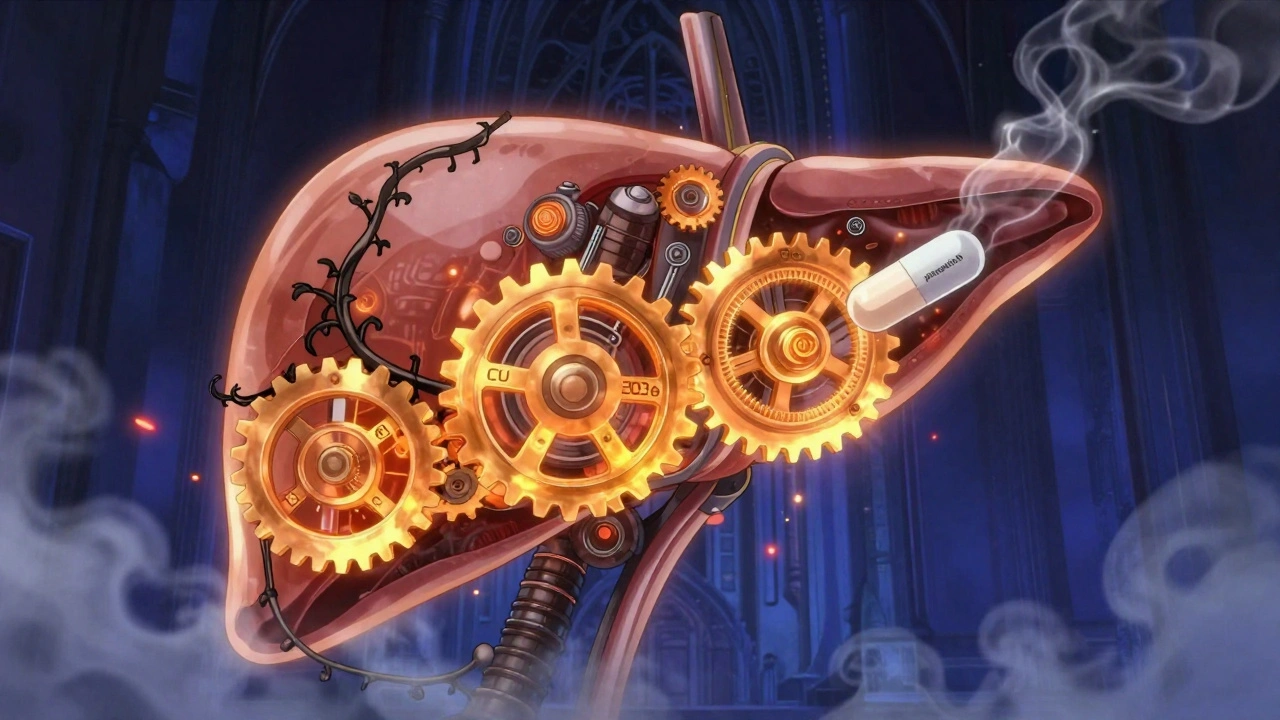
You don’t need to be a scientist to stay safe. Here’s what actually works:
- Keep a full list of everything you take: Prescription meds, over-the-counter drugs, vitamins, herbal supplements, and even occasional painkillers. Write it down. Update it every time something changes. A 2020 study showed this reduces interaction risks by 47%.
- Use one pharmacy: Your pharmacist has tools that check for interactions across all your meds. They catch about 150,000 dangerous interactions every year in the U.S. alone.
- Ask these two questions at every appointment: “Could this interact with anything else I’m taking?” and “Are there foods or drinks I should avoid?” Mayo Clinic research found that asking these questions increases detection of risks by 63%.
- Avoid grapefruit juice if you’re on any medication. The FDA says it interacts with 85 different drugs. If you’re not sure, ask your pharmacist.
- Space out problematic pairs: If you take levothyroxine (thyroid medicine) and calcium or iron supplements, wait at least four hours between them. Same with antibiotics and dairy.
What Your Doctor and Pharmacist Are Doing
It’s not all on you. Electronic health records now flag 85% of major interactions before a prescription is written. But here’s the problem: doctors get so many alerts that they ignore nearly half of them. That’s called alert fatigue.
That’s why pharmacist-led medication reviews are so powerful. In Medicare patients, they reduce serious drug reactions by 22%. Pharmacists don’t just fill prescriptions-they look at your whole picture. And they’re trained to spot the subtle ones, like enzyme inhibition or transporter conflicts.
Tools like Lexicomp and Micromedex help them do this fast and accurately. And thanks to new guidelines, drug makers now have to test for these interactions before their drugs hit the market.
The Future: Personalized Medicine Is Here
Genetics play a bigger role than most people realize. Some people are slow metabolizers of CYP2C19 or CYP2D6. That means even normal doses can build up to dangerous levels. The FDA now includes pharmacogenomic info on 340 drug labels-meaning your DNA can help guide your treatment.
By 2025, more health systems will offer genetic testing as part of routine care. Imagine knowing ahead of time that grapefruit juice will affect your blood pressure med-or that you need half the usual dose of a painkiller because of your genes. That’s not science fiction. It’s happening now.
And with telehealth platforms adding interaction checkers, you’re more protected than ever-if you’re open with your providers about everything you take.
Bottom Line: Knowledge Is Your Best Shield
Pharmacokinetic drug interactions aren’t something to fear-they’re something to manage. You don’t need to memorize enzyme names or transporter proteins. You just need to be aware, ask questions, and keep your medication list up to date. Most interactions are preventable. And the tools to stop them are already in place.
Take control. Talk to your pharmacist. Keep your list. Say no to grapefruit juice if you’re unsure. Your body will thank you.
What’s the difference between pharmacokinetic and pharmacodynamic drug interactions?
Pharmacokinetic interactions are about how your body moves a drug-absorption, distribution, metabolism, or excretion. Pharmacodynamic interactions are about how drugs affect your body together-like two sedatives making you extra drowsy. One changes the amount of drug in your system; the other changes how it works once it’s there.
Can over-the-counter drugs and supplements cause serious interactions?
Yes. St. John’s Wort can make birth control, blood thinners, and antidepressants stop working. Calcium and iron supplements block absorption of antibiotics and thyroid meds. Even common pain relievers like ibuprofen can raise methotrexate levels to dangerous levels. Always tell your doctor or pharmacist about everything you take-even if you think it’s "just a supplement."
Why can’t I drink grapefruit juice with my meds?
Grapefruit juice blocks an enzyme in your liver called CYP3A4, which breaks down many drugs. When it’s blocked, the drug builds up in your blood. This can lead to serious side effects like muscle damage from statins, low blood pressure from calcium channel blockers, or extreme drowsiness from sedatives. The effect lasts up to 24 hours, so even taking the juice hours apart won’t help. It’s safer to avoid it completely if you’re on any medication.
How do I know if my medication has a dangerous interaction?
Your pharmacist is your best resource. They check every new prescription against your full list. You can also use free tools like the FDA’s MedSafety app or WebMD’s drug interaction checker. But don’t rely on internet searches alone. If your doctor prescribes something new, ask: "Does this interact with anything I’m already taking?" and "Is there a safer alternative?"
Are older adults more at risk for drug interactions?
Yes. About 40% of adults over 65 have reduced kidney function, which slows drug clearance. They’re also more likely to take five or more medications daily. The American Geriatrics Society Beers Criteria lists 80+ drugs to avoid or use with caution in older adults because of interaction risks. Always review your meds with a pharmacist if you’re over 65.
What should I do if I think I’m having a drug interaction?
Stop the new medication and call your doctor or pharmacist immediately. Don’t wait for symptoms to get worse. Common warning signs include unusual dizziness, confusion, rapid heartbeat, bleeding (bruising, nosebleeds), severe nausea, or changes in urination. Keep your medication list handy when you call-it helps them act faster.
Marvin Gordon
December 4, 2025 AT 18:48ashlie perry
December 6, 2025 AT 15:41Norene Fulwiler
December 8, 2025 AT 11:25Ada Maklagina
December 10, 2025 AT 00:17Stephanie Fiero
December 11, 2025 AT 02:44Laura Saye
December 11, 2025 AT 15:57sean whitfield
December 13, 2025 AT 10:01Stephanie Bodde
December 13, 2025 AT 11:19Jennifer Patrician
December 15, 2025 AT 09:20